
Pocketed vs Non-Pocketed Mastectomy Bras: A Complete Guide to Choosing the Right Support

Choosing a bra after mastectomy involves decisions you probably never expected to make. One of the first questions that comes up: do you need a pocketed bra, or will a non-pocketed style work just as well?
The answer depends on whether you plan to wear a breast prosthesis and what type you choose. This guide walks through the differences between pocketed and non-pocketed mastectomy bras, when each option makes sense, and how to find the right fit for your body and lifestyle.
What is a Pocketed Mastectomy Bra?
Here's the deal: the main difference between pocketed and non-pocketed mastectomy bras comes down to one feature. Pocketed bras have internal fabric sleeves sewn into the cups to hold a breast prosthesis securely, while non-pocketed bras rely on foam inserts or sewn-in panels for light shaping without accommodating a removable form. This distinction determines whether you can wear a traditional weighted breast form or whether you'll use lighter alternatives.
From the outside, a pocketed mastectomy bra looks like any other bra. Inside each cup, though, you'll find a discreet opening that leads to a fabric pocket designed to hold your breast form in place against your body. Most pocketed bras are bilateral, meaning they have pockets in both cups, which works whether you've had a single or double mastectomy.
The pocket does more than just hold the prosthesis—it creates a soft layer between your skin and the breast form, which matters when scar tissue is still sensitive. The fabric also wicks moisture and prevents silicone from sticking directly to your chest.

What is a Non-Pocketed Mastectomy Bra?
Non-pocketed mastectomy bras are post-surgery bras built with comfort features like soft seams, wide straps, and wire-free construction, but without internal pockets for holding a removable prosthesis. People who prefer not to wear a breast form, who use self-adhesive prostheses that attach directly to the chest, or who want a smooth silhouette without the weight of a traditional form often choose non-pocketed styles.
Some non-pocketed options include light foam padding or shaping panels sewn directly into the cups. This provides gentle contouring without requiring you to insert anything separately. You might hear these called "padded mastectomy bras" or "contour bras."
One appeal of non-pocketed bras? Variety. Because they don't require specialized pocket construction, you'll find way more style options that look and feel like everyday bras.
Key Differences Between Pocketed and Non-Pocketed Mastectomy Bras
Understanding the practical differences between pocketed and non-pocketed options helps clarify which works best for your situation.
Feature | Pocketed Mastectomy Bras | Non-Pocketed Mastectomy Bras |
Breast form security | Internal pocket holds prosthesis securely | No pocket; relies on adhesive forms or built-in padding |
Best suited for | Traditional weighted silicone prostheses | Lightweight shapers, adhesive forms, or going flat |
Style variety | Growing selection, though more limited | Wider range of everyday and fashion-forward styles |
Typical use case | Daily wear with external breast forms | Post-surgery comfort or prosthesis-free preference |
Breast Form Security and Placement
Pocketed bras keep weighted breast forms exactly where they belong. The pocket prevents shifting, rotating, or slipping, even during physical activity. If you've ever worried about a prosthesis moving out of position while reaching for something or bending over, a pocketed bra addresses that concern head-on.
Non-pocketed bras don't offer this same security for traditional prostheses. However, if you use an adhesive breast form that attaches to your chest wall, you don't necessarily need a pocket since the form stays in place on its own.
Comfort and Everyday Wearability
Both styles prioritize post-surgery comfort, typically featuring soft fabrics, flat seams, and wire-free designs. Pocketed bras tend to have wider side panels and fuller coverage to accommodate the prosthesis and provide additional support.
Non-pocketed options often feel lighter and less structured. Some people find them more comfortable for lounging or sleeping, while others prefer the secure feeling of a pocketed bra even without a form inserted.
Style and Versatility Options
The mastectomy bra market has come a long way. Pocketed bras now come in everything from everyday t-shirt styles to sports bras and even some lace options. That said, non-pocketed bras still offer more variety since manufacturers can adapt them from standard bra designs more easily.
If wearing fashionable lingerie matters to you, you'll find more choices in the non-pocketed category, though the gap is narrowing as more brands recognize the demand for stylish pocketed options.
Price and Value Comparison
Pocketed mastectomy bras typically cost more than standard bras due to specialized construction. The pocket adds manufacturing complexity, and the products serve a smaller market. Non-pocketed post-surgery bras fall somewhere between regular bras and pocketed mastectomy bras in terms of price.
The good news? Many insurance plans cover mastectomy bras as post-surgical supplies, which can offset the higher cost of pocketed options.
Types of Pocketed Mastectomy Bras
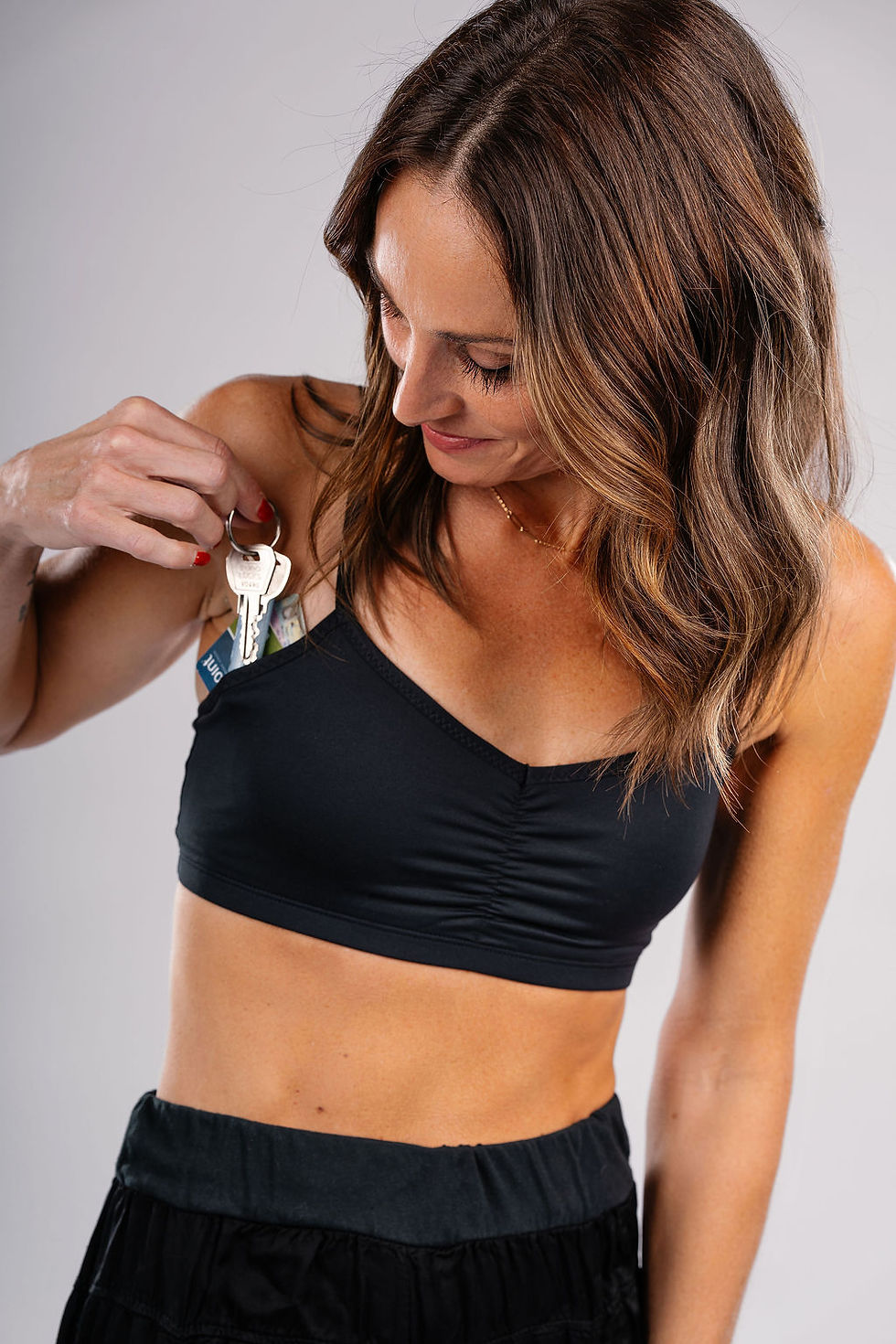
Pocketed bras come in several styles designed for different activities and preferences.
Everyday Pocketed Bras
Everyday pocketed bras are the workhorses of a post-mastectomy wardrobe. They feature full coverage, comfortable support for daily wear, wide straps, and smooth cups that work under most clothing. The pockets accommodate standard silicone prostheses.
Pocketed Sports Bras for Active Lifestyles
Pocketed sports bras keep your breast form secure during movement. They offer compression support and moisture-wicking fabrics while maintaining the pocket structure. Some feature front closures for easier on and off.
Seamless Pocketed Bras
Seamless construction eliminates potential irritation points, making seamless pocketed bras ideal for sensitive post-surgery skin. The smooth fabric also creates an invisible look under fitted clothing.
Pocketed Bralettes and Soft Cup Options
For lounging, sleeping, or days when you want minimal structure, pocketed bralettes provide light support without the rigidity of a traditional bra. They work well during early recovery or for overnight wear.
Benefits of Wearing a Pocketed Bra with Breast Forms
Choosing a pocketed bra with a breast prosthesis offers specific advantages for both physical comfort and confidence.
Keeps Breast Prostheses Secure Throughout the Day
The pocket eliminates the mental load of wondering whether your form has shifted. You can move freely, exercise, and go about your day without adjusting or checking. This security becomes especially valuable during activities like bending, reaching, or any movement that might dislodge an unsecured prosthesis.
Creates Natural Shape and Symmetry
Proper pocket placement positions the prosthesis at the correct height and projection to match your natural side (for unilateral mastectomy) or create balanced symmetry (for bilateral). This alignment affects how clothing fits and drapes.
Beyond appearance, physical symmetry also matters for posture and comfort. An unbalanced chest can contribute to shoulder strain and back discomfort over time—nobody needs that.
Provides Post-Surgery Comfort and Support
Pocketed mastectomy bras are designed with healing bodies in mind:
Soft, breathable fabrics that won't irritate sensitive skin or scar tissue
Wide, padded straps that distribute weight without digging into shoulders
Wire-free construction that avoids pressure on the chest wall
Higher necklines and fuller coverage that conceal surgical scars
When a Non-Pocketed Mastectomy Bra May Be the Better Choice
Pocketed bras aren't the right fit for everyone. Several situations make non-pocketed options more practical.
Using Lightweight or Adhesive Breast Forms
Self-adhesive prostheses attach directly to your chest using medical-grade adhesive. Since they stay in place on their own, you don't need a pocket to secure them. Adhesive forms work with regular bras or non-pocketed mastectomy bras, giving you more flexibility in what you wear.
Lightweight foam shapers also don't require pockets since they're designed to sit against the body without the weight that causes shifting.
Preferring Regular Bra Styles After Surgery
Some people choose to wear standard bras after mastectomy, either without any prosthesis or with partial shapers. Non-pocketed post-surgery bras offer the comfort features you might want—like soft construction and no underwire—without the specialized pocket you don't need.
During Early Post-Mastectomy Recovery
Immediately after surgery, most surgeons recommend soft compression bras or surgical bras without pockets. Compression bras provide gentle support during initial healing. Pocketed bras typically enter the picture later, once you're cleared to wear a prosthesis, usually several weeks post-surgery.
How to Decide Between Pocketed and Non-Pocketed Mastectomy Bras
Your choice depends on several personal factors. Walking through the following considerations helps clarify which direction makes sense for you.
Matching Your Bra to Your Breast Form Type
The type of prosthesis you use largely determines whether you need a pocket:
Weighted silicone forms work best with pocketed bras for security
Adhesive forms can be worn with either style since they attach to your body
Foam or fiberfill forms may work without pockets if they're lightweight enough
No prosthesis means non-pocketed bras offer more options
Considering Bilateral or Unilateral Mastectomy Needs
If you've had a unilateral mastectomy, meaning one breast was removed, you'll use only one pocket but may still prefer bilateral pocketed bras since they're more widely available. Some people insert a lightweight form or shaper on the non-surgical side for balance.
For bilateral mastectomy, where both breasts were removed, you'll likely use both pockets—though some people choose to go flat and skip prostheses entirely.
Factoring In Your Daily Activities and Lifestyle
Think about how you spend your days. Active jobs or regular exercise benefit from the security of pocketed bras. If you work from home or prefer minimal structure, non-pocketed options might feel more comfortable.
Many people find that having both types in their wardrobe works best: pocketed bras for situations requiring security and non-pocketed options for relaxed days.
How to Find the Right Fit for Your Mastectomy Bra
Getting the fit right makes a significant difference in comfort and confidence.
1. Get Professionally Fitted by a Certified Fitter
Certified mastectomy fitters have specialized training in post-surgery fitting. You'll find them at mastectomy boutiques, some medical supply stores, and certain lingerie shops. Certified fitters understand how different bra styles work with various prosthesis types and can recommend options based on your surgery and body.
2. Try Multiple Styles Before Committing
What works for someone else may not work for you. Trying several brands, cuts, and pocket placements helps you discover what feels most comfortable and secure.
3. Check for Proper Support and Cup Coverage
When evaluating fit, look for the following:
The prosthesis sits fully within the pocket without bulging
Straps stay in place without digging or slipping
The band sits level around your body
No gaps appear between the cup and your chest
The center gore (the front piece between the cups) lies flat against your sternum
Choosing Support That Works for Your Post-Mastectomy Journey
Finding the right mastectomy bra is personal, and your preferences may evolve over time. What works during early recovery might differ from what you want a year later. Some people eventually transition back to regular bras with adhesive forms, while others prefer the reliability of pocketed options indefinitely.
The goal is comfort and confidence, whatever combination of pocketed and non-pocketed bras helps you feel like yourself.
Frequently Asked Questions About Mastectomy Bras
Can you add pockets to a regular bra to hold breast forms?
Yes, sewn-in pocket inserts can be added to many regular bras by a tailor or specialty retailer. Some companies sell pocket kits designed for this purpose. However, purpose-built pocketed bras typically offer better prosthesis security and more comfortable placement since they're designed with the pocket position in mind from the start.
Does insurance cover pocketed mastectomy bras?
Many insurance plans cover mastectomy bras and breast forms as post-surgical supplies under durable medical equipment benefits. Coverage varies by plan, so checking with your provider before purchasing is worthwhile. A certified mastectomy fitter can often help navigate the documentation requirements.
How many mastectomy bras do you typically need?
Most fitters recommend having at least two to three mastectomy bras to rotate for washing and daily wear. Rotating allows each bra to rest between wearings, which extends their lifespan. Over time, you might build a larger collection with different styles for various activities.
Can you wear a mastectomy bra while sleeping?
Soft, wire-free mastectomy bras or pocketed sleep bras can be worn overnight for light support if that feels comfortable. Many people prefer to remove their prosthesis while sleeping and either go without a bra or wear a soft bralette. There's no medical requirement either way—do what feels right for you.
What is the most comfortable bra to wear after a mastectomy?
Comfort depends on individual healing, body shape, and personal preference. In the weeks immediately following surgery, soft front-closure bras without prostheses are generally recommended. Once cleared for regular bras, seamless styles with wide straps and no underwire tend to rate highest for comfort. The best approach is trying several options to find what works for your body.


Comments